In today's world, where comfort and air quality are paramount, understanding HVAC systems is essential for homeowners and building managers alike. HVAC, which stands for Heating, Ventilation, and Air Conditioning , encompasses a range of technologies designed to regulate indoor environments. These systems not only provide thermal comfort but also play a crucial role in maintaining healthy air quality by controlling humidity and filtering out pollutants.The significance of an efficient HVAC solution cannot be overstated. A well-functioning HVAC system ensures that your home remains comfortable throughout the year, regardless of external weather conditions.
During the sweltering summer months, an effective air conditioning unit cools the indoor air, while in the winter, a reliable heating system keeps the chill at bay. Moreover, proper ventilation is vital for circulating fresh air and expelling stale air, which is essential for preventing mold growth and ensuring a healthy living environment.As we delve deeper into the intricacies of HVAC systems, it becomes clear that they are composed of various components that work in harmony to achieve optimal performance. From thermostats that regulate temperature to ductwork that distributes conditioned air, each part plays a pivotal role in the overall functionality of the system. Understanding these components will empower you to make informed decisions regarding installation, maintenance, and upgrades.In this guide, we will explore the different types of HVAC solutions available on the market today, their respective advantages and disadvantages, and how to choose the right system for your specific needs.
By gaining a comprehensive understanding of HVAC systems, you will be better equipped to ensure your home remains a sanctuary of comfort and health.
What Does HVAC Stand For?
The acronym HVAC stands for Heating, Ventilation, and Air Conditioning. Each component plays a vital role in maintaining a comfortable indoor environment, and understanding these elements is essential for homeowners who want to optimize their systems.Heating
refers to the process of raising the temperature within a space to ensure comfort during colder months. This can be achieved through various methods, including:
- Furnaces: These are the most common heating systems, using gas, oil, or electricity to generate heat.
- Heat Pumps: These devices transfer heat from outside to inside, even in cold weather, making them energy-efficient options.
- Boilers: Utilizing water or steam to distribute heat through radiators or underfloor heating systems.
Ventilation
is crucial for maintaining air quality and comfort. It involves the exchange of indoor air with outdoor air to remove pollutants and regulate humidity levels.
Effective ventilation can be achieved through:
- Naturally Ventilated Systems: Utilizing windows and vents to allow fresh air in and stale air out.
- Mechanical Ventilation: Using fans and ductwork to control airflow, which can include exhaust fans and whole-house ventilation systems.
- Heat Recovery Ventilators (HRVs): These systems exchange stale indoor air with fresh outdoor air while recovering heat from the outgoing air.
Air Conditioning
, the final component of HVAC, is responsible for cooling indoor spaces during hot weather. It works by removing heat and humidity from the air. Common types of air conditioning systems include:
- Centrally Air Conditioned Systems: These use ductwork to distribute cooled air throughout the home.
- Ductless Mini-Split Systems: Ideal for homes without ductwork, these units provide targeted cooling in specific areas.
- Window Units: A cost-effective solution for cooling individual rooms.
How HVAC Systems Work
Understanding how an HVAC system operates is essential for homeowners who want to maintain a comfortable living environment.The operation of an HVAC system revolves around the principles of thermodynamics, which govern the transfer of heat and energy. At its core, an HVAC system is designed to regulate indoor temperatures by either heating or cooling the air, depending on the season.
Heating Process
- Heat Generation: The heating process typically begins with a furnace or heat pump. In a furnace, fuel (such as natural gas, propane, or electricity) is burned to create heat. In contrast, a heat pump extracts heat from the outside air or ground and transfers it indoors.
- Heat Distribution: Once the air is heated, it is distributed throughout the home via a network of ducts.
The heated air is pushed through these ducts by a blower fan, ensuring that every room receives warm air.
- Thermostat Control: The thermostat plays a crucial role in this process. It monitors the indoor temperature and signals the heating unit to turn on or off based on the desired temperature set by the homeowner.
Cooling Process
- Refrigeration Cycle: The cooling process operates on a refrigeration cycle. An air conditioning unit uses refrigerant to absorb heat from indoor air. This refrigerant circulates through coils inside the unit, where it evaporates and absorbs heat.
- Heat Release: The now-warmed refrigerant is then pumped outside to the condenser unit, where it releases the absorbed heat into the outdoor air.
This process cools the refrigerant, allowing it to return indoors and repeat the cycle.
- Air Circulation: Similar to heating, cooled air is distributed through ducts by a blower fan. This ensures that all areas of the home remain at a comfortable temperature during hot weather.
Key Components of an HVAC System
Understanding the key components of an HVAC system is essential for homeowners who want to maintain a comfortable living environment. Each part plays a vital role in ensuring the system operates efficiently and effectively.Below are the primary components that make up an HVAC system:
- Furnaces: Furnaces are responsible for heating your home during colder months. They work by burning fuel or using electricity to generate heat, which is then distributed throughout the house via ductwork. There are various types of furnaces, including gas, electric, and oil furnaces, each with its own advantages and efficiency ratings.
- Air Conditioners: Air conditioners cool indoor air by removing heat and humidity. They typically consist of an outdoor unit that houses the compressor and condenser coils, and an indoor unit that contains the evaporator coil.
The refrigerant circulates between these units, absorbing heat from inside your home and releasing it outside.
- Heat Pumps: Heat pumps serve dual purposes by providing both heating and cooling. In winter, they extract heat from the outside air (even in cold temperatures) and transfer it indoors. In summer, they reverse the process, acting like an air conditioner. This versatility makes heat pumps an energy-efficient HVAC solution.
- Thermostats: The thermostat is often referred to as the brain of the HVAC system.
It monitors indoor temperatures and communicates with the heating or cooling units to maintain the desired climate. Modern smart thermostats can learn your schedule and preferences, optimizing energy use while keeping your home comfortable.
- Ductwork: Ducts are essential for distributing heated or cooled air throughout your home. Properly designed and sealed ductwork ensures that air flows efficiently to every room, minimizing energy loss and maintaining consistent temperatures. Regular maintenance of ducts is crucial to prevent leaks and blockages that can hinder system performance.
By understanding their functions, homeowners can make informed decisions regarding maintenance, upgrades, or replacements, ultimately enhancing their home's comfort and energy efficiency.
Types of HVAC Systems
When it comes to selecting an HVAC solution , understanding the different types of systems available is crucial for both residential and commercial applications. Each type of HVAC system has its unique features, advantages, and ideal use cases. Below, we categorize the most common types of HVAC systems to help you make an informed decision.1.Split Systems
Split systems are among the most popular choices for residential heating and cooling. They consist of two main components: an indoor unit and an outdoor unit.The indoor unit typically contains the evaporator coil and air handler, while the outdoor unit houses the compressor and condenser coil. This separation allows for efficient temperature control and is particularly effective in moderate climates.
2.Packaged Units
Packaged HVAC systems combine all components into a single outdoor unit, making them ideal for homes with limited indoor space. These systems are often installed on rooftops or concrete slabs and can provide both heating and cooling. Packaged units are particularly beneficial for commercial buildings where space efficiency is a priority.3.Ductless Mini-Split Systems
Ductless mini-split systems offer flexibility and efficiency, especially in homes without existing ductwork.These systems consist of an outdoor compressor and one or more indoor air-handling units. Each indoor unit can be controlled independently, allowing for customized temperature settings in different rooms. This feature makes ductless mini-splits a great choice for older homes or additions where installing ducts would be impractical.
4.Central HVAC Systems
Central HVAC systems are designed to heat or cool an entire building through a network of ducts. They typically include a furnace or heat pump, air conditioning unit, and ductwork that distributes conditioned air throughout the space.Central systems are ideal for larger homes or commercial spaces where consistent temperature control is necessary.
5.Geothermal Systems
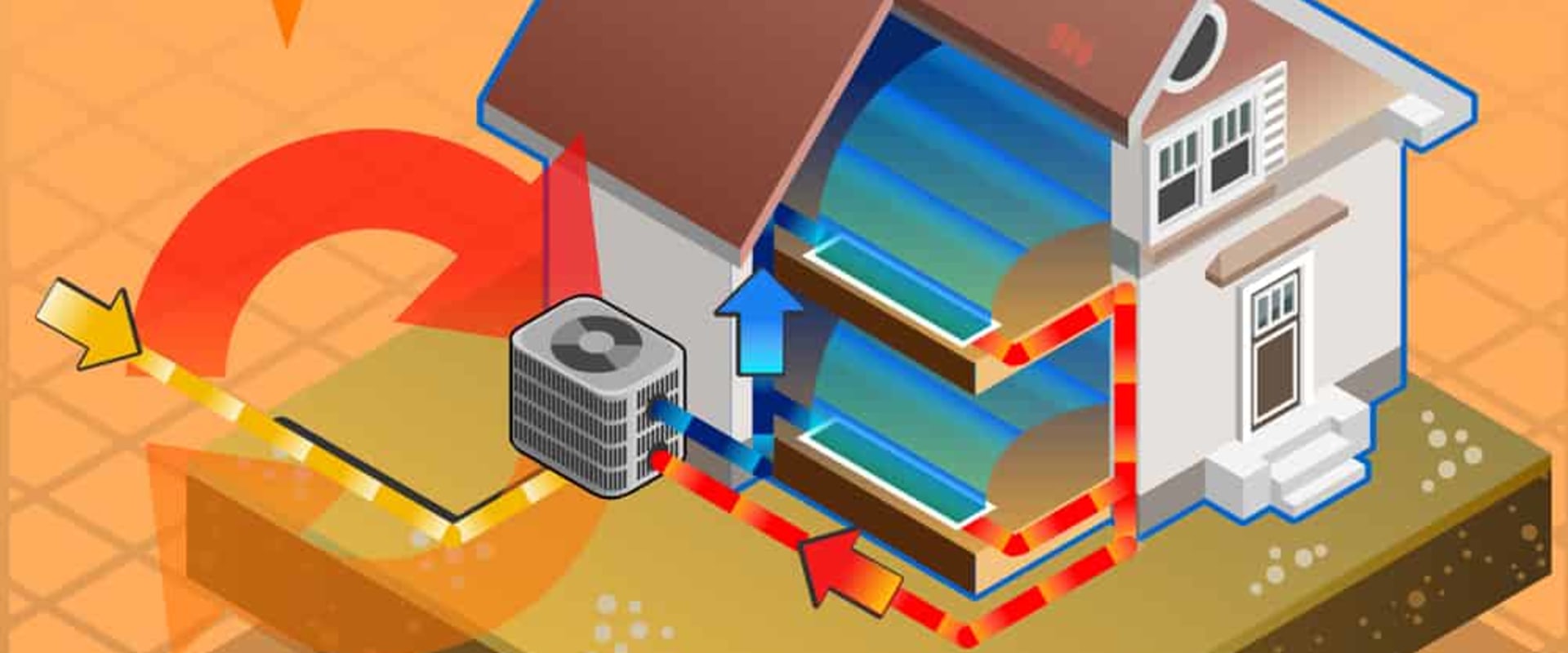
Geothermal HVAC systems utilize the earth's stable underground temperature to heat and cool buildings efficiently. These systems involve a series of underground pipes filled with fluid that absorbs heat from the ground in winter and dissipates heat back into the ground in summer. Although the initial installation cost can be high, geothermal systems offer significant long-term energy savings.Choosing the right HVAC solution depends on various factors, including your specific heating and cooling needs, budget, and space constraints. Consulting with an HVAC professional can help you evaluate your options and select the best system for your home or business.The Importance of Proper Installation and Maintenance
When it comes to HVAC systems, the significance of proper installation and regular maintenance cannot be overstated.A well-installed HVAC system not only ensures optimal performance but also enhances energy efficiency, leading to lower utility bills and a more comfortable living environment.
HVAC Installation Tips
- Choose the Right Size: An HVAC system that is too large or too small for your home can lead to inefficiencies. A professional technician can perform a load calculation to determine the appropriate size.
- Consider Energy Efficiency Ratings: Look for systems with high SEER (Seasonal Energy Efficiency Ratio) ratings. These units consume less energy while providing the same level of comfort.
- Proper Ductwork: Ensure that ductwork is correctly sized and sealed. Poorly designed ducts can lead to significant energy loss and uneven heating or cooling.
- Professional Installation: Always hire qualified technicians for installation.
They have the expertise to handle complex systems and ensure everything is set up correctly.
Maintenance for HVAC Systems
Regular maintenance is essential for keeping your HVAC system running smoothly. Here are some common maintenance tasks:
- Change Filters: Replace air filters every 1-3 months to maintain airflow and improve indoor air quality.
- Clean Coils: Dirty evaporator and condenser coils can reduce efficiency. Schedule annual cleanings with a professional technician.
- Check Refrigerant Levels: Low refrigerant levels can indicate leaks, which should be addressed immediately by a professional.
- Inspect Ducts: Regularly check ducts for leaks or blockages that can hinder airflow.
The Importance of Professional Service
While some maintenance tasks can be performed by homeowners, hiring a professional service is crucial for comprehensive care. Qualified technicians possess the knowledge and tools necessary to identify potential issues before they escalate into costly repairs.
Additionally, they can provide valuable insights on improving system efficiency and longevity.In conclusion, investing in proper installation and regular maintenance of your HVAC system is vital for ensuring its efficiency and reliability. By following these tips and prioritizing professional service, you can enjoy a comfortable home environment year-round while minimizing energy costs.
Energy Efficiency in HVAC Systems
In today's world, where energy costs are continually rising and environmental concerns are at the forefront, energy-efficient HVAC solutions have become essential for homeowners. Investing in an energy-efficient HVAC system not only helps reduce your utility bills but also minimizes your carbon footprint, contributing to a healthier planet.One of the key metrics to consider when evaluating the energy efficiency of HVAC systems is the Seasonal Energy Efficiency Ratio (SEER). This rating measures the cooling output of an air conditioning system over a typical cooling season divided by the total electric energy input during that same period.A higher SEER rating indicates a more efficient system. For instance, systems with a SEER rating of 16 or higher are considered highly efficient, while those below 14 may lead to higher energy costs.When selecting an HVAC system, look for models that meet or exceed the minimum SEER ratings set by the U. S. Department of Energy.
Additionally, consider systems that are ENERGY STAR certified, as these products have been tested and verified to meet strict efficiency guidelines.
Energy Savings Tips
- Regular Maintenance: Schedule annual maintenance checks for your HVAC system. A well-maintained system operates more efficiently and can last longer.
- Smart Thermostats: Invest in a smart thermostat that can learn your schedule and adjust temperatures accordingly. This can lead to significant energy savings.
- Seal Ducts: Ensure that your ductwork is properly sealed and insulated. Leaky ducts can waste a substantial amount of energy.
- Upgrade Insulation: Proper insulation in your home helps maintain temperature and reduces the workload on your HVAC system.
- Use Ceiling Fans: Ceiling fans can help circulate air, allowing you to set your thermostat a few degrees higher in summer and lower in winter without sacrificing comfort.
Remember, every small step towards efficiency counts!
Common Issues with HVAC Systems and Troubleshooting Tips
Understanding the common issues that can arise with your HVAC system is essential for maintaining a comfortable home environment. By being aware of these problems and knowing how to troubleshoot them, homeowners can often resolve minor issues before they escalate into costly repairs.1.Inadequate Heating or Cooling
One of the most frequent complaints among homeowners is inadequate heating or cooling. If your HVAC system is not maintaining the desired temperature, consider the following:- Check the Thermostat: Ensure that your thermostat is set to the correct mode (heating or cooling) and that it is functioning properly. Sometimes, recalibrating or replacing batteries can resolve the issue.
- Inspect Air Filters: Clogged air filters can restrict airflow, leading to inefficient heating or cooling.
Regularly check and replace filters every 1-3 months to maintain optimal performance.
- Examine Ductwork: Leaks or blockages in ductwork can prevent conditioned air from reaching certain areas of your home. Inspect ducts for any visible damage or obstructions.
2.Unusual Noises
If your HVAC system is making strange noises, it could indicate a problem:- Banging or Clanking: These sounds may suggest loose components or debris in the blower assembly.
- Squealing: A high-pitched squeal could indicate a worn-out belt that needs replacement.
- Hissing: This sound may point to a refrigerant leak, which requires immediate attention from a professional.
3.Frequent Cycling
If your HVAC system turns on and off frequently, it may be short cycling. This can lead to increased energy bills and wear on the system. Possible causes include:- Oversized Unit: An HVAC system that is too large for your home will cool or heat too quickly, causing it to cycle on and off frequently.
- Thermostat Issues: A malfunctioning thermostat can misread temperatures, leading to erratic cycling.
Troubleshooting Tips
If you encounter any of these issues, here are some troubleshooting tips:- Regular Maintenance: Schedule annual maintenance checks with a qualified HVAC technician to ensure all components are functioning correctly.
- Keep Vents Clear: Ensure that furniture or other objects do not block air vents, as this can impede airflow.
- Monitor Energy Bills: Keep an eye on your energy bills; a sudden spike may indicate an underlying issue with your HVAC system.
FAQs About HVAC Systems
Understanding HVAC systems can be daunting, especially for homeowners who are not familiar with the technical aspects.Here, we address some of the most frequently asked questions about HVAC systems to help clarify common concerns and enhance your knowledge.
What does HVAC stand for?
HVAC
stands for Heating, Ventilation, and Air Conditioning. This term encompasses the various systems that control the temperature, humidity, and air quality in residential and commercial buildings.
How often should I service my HVAC system?
It is recommended to have your HVAC system serviced at least once a year. Regular maintenance helps ensure that your system operates efficiently and can extend its lifespan. Many homeowners choose to schedule service in the spring for air conditioning units and in the fall for heating systems.What are the signs that my HVAC system needs repair?
- Unusual noises: If you hear banging, clanking, or hissing sounds, it may indicate a problem.
- Inconsistent temperatures: If some rooms are too hot or too cold compared to others, your system may not be functioning properly.
- Increased energy bills: A sudden spike in your energy costs could mean your HVAC system is working harder than it should.
- Frequent cycling: If your system turns on and off frequently, it may be a sign of an issue.
What is the average lifespan of an HVAC system?
The average lifespan of an HVAC system varies depending on the type and how well it has been maintained.Generally, you can expect:
- Furnaces: 15-20 years
- Air conditioners: 10-15 years
- Heat pumps: 10-15 years
How can I improve my HVAC system's efficiency?
Improving your HVAC system's efficiency can lead to lower energy bills and increased comfort. Here are some tips:- Regular maintenance: Schedule annual check-ups with a professional technician.
- Change filters: Replace or clean filters every 1-3 months to ensure proper airflow.
- Seal ducts: Inspect and seal any leaks in ductwork to prevent energy loss.
- Use a programmable thermostat: This allows you to set temperatures based on your schedule, reducing energy use when you're not home.
Conclusion: Making Informed Decisions About Your HVAC Solution
In conclusion, understanding your HVAC system is essential for making informed decisions regarding its installation, maintenance, and potential upgrades. Throughout this guide, we have explored the various components and functions of HVAC systems, emphasizing their critical role in maintaining a comfortable indoor environment.One of the key takeaways is the importance of selecting the right HVAC solution for your home. Factors such as the size of your space, local climate, and energy efficiency ratings should all be considered when choosing a system.A well-chosen HVAC system not only enhances comfort but can also lead to significant energy savings over time.Regular maintenance is another crucial aspect that cannot be overlooked. Routine inspections and servicing by qualified technicians ensure that your system operates efficiently and prolongs its lifespan. Neglecting maintenance can lead to costly repairs and decreased performance, which is why scheduling annual check-ups is highly recommended.Moreover, understanding the differences between various types of HVAC systems—such as split systems, heat pumps, and central air conditioning—enables homeowners to make educated choices tailored to their specific needs. Each system has its advantages and disadvantages, and being informed allows you to weigh these factors effectively.As you consider upgrades or replacements, keep in mind the advancements in technology that have made modern HVAC solutions more efficient and environmentally friendly.
Investing in a high-efficiency system can not only reduce your carbon footprint but also lower your utility bills.In summary, being knowledgeable about your HVAC system empowers you to engage in meaningful discussions with contractors and service providers. This understanding will help you advocate for your needs and ensure that you receive the best possible service. By taking the time to learn about your HVAC solution, you are making a proactive choice towards a more comfortable and efficient home.